
27.03.2026
Markets, geopolitics and our portfolio
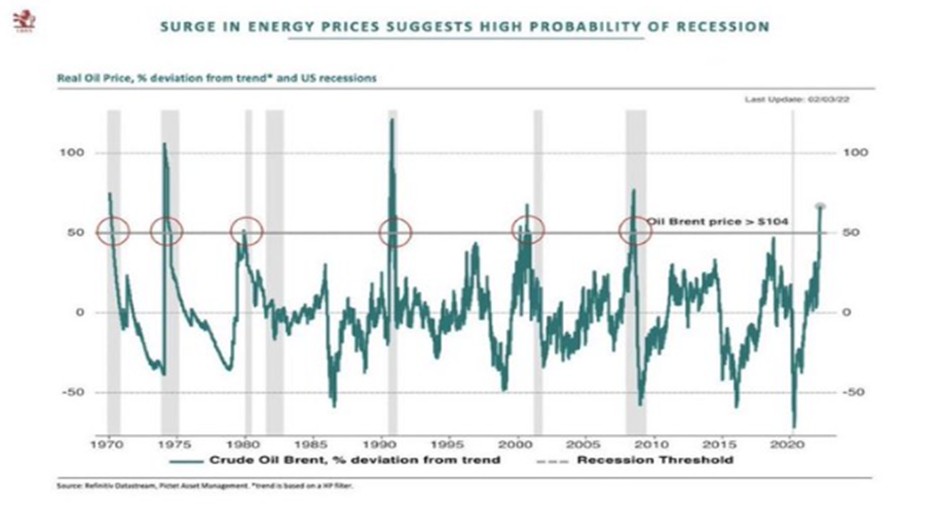
Financial markets are currently strongly influenced by rising tensions in the Middle East, particularly the escalation around Iran. This geopolitical uncertainty has led to increased volatility in recent weeks, with energy prices playing a key role. Historically, prolonged high oil prices, combined with an environment of elevated interest rates, are often a precursor to economic slowdown (see below). The ultimate impact, however, will largely depend on the duration and intensity of the conflict.
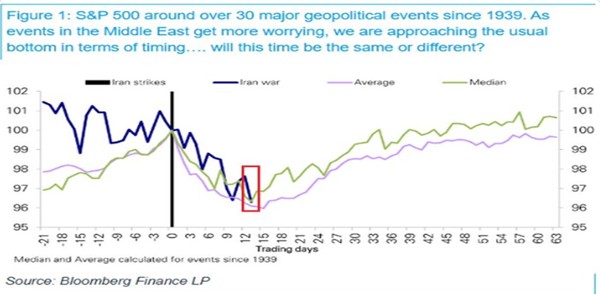
At the same time, the underlying economy remains resilient for now, supported by solid corporate earnings and continued investment in technology and infrastructure. The recent rise in bond yields indicates that the market is factoring in a possible resurgence of inflation, partly due to higher energy prices. Higher rates also make it more difficult for the US to finance its substantial debt position, increasing the pressure on policymakers. In that respect, the bond market acts as an important disciplining factor, which raises the likelihood of diplomatic steps towards stabilisation. Historically, equity markets recover relatively quickly after geopolitical shocks. The attached overview shows that markets often form a bottom within two to three weeks, followed by a gradual recovery. Current market dynamics appear to be following this pattern for now, although the combination of high rates and energy prices remains an important factor to monitor.
The macroeconomic landscape
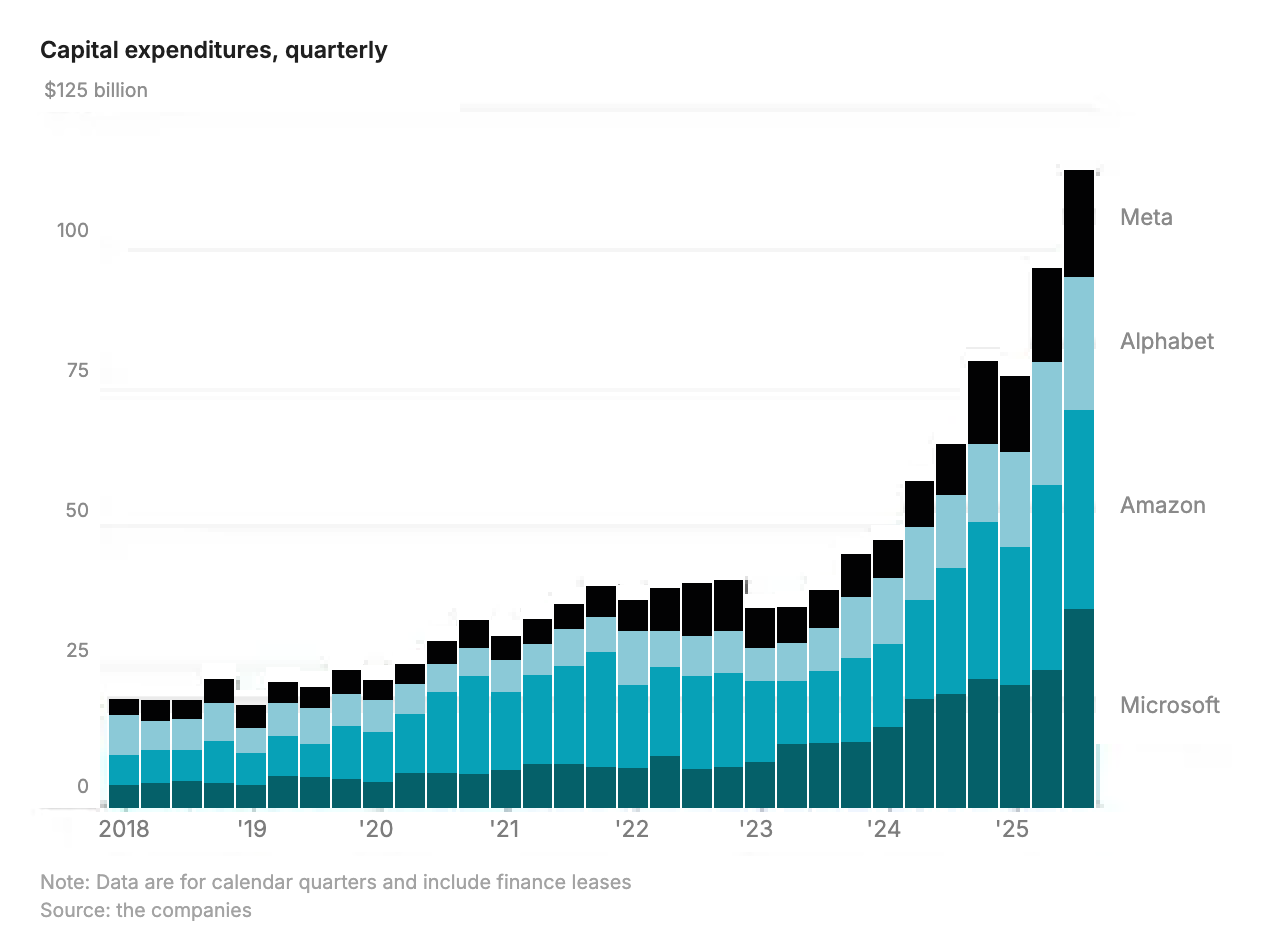
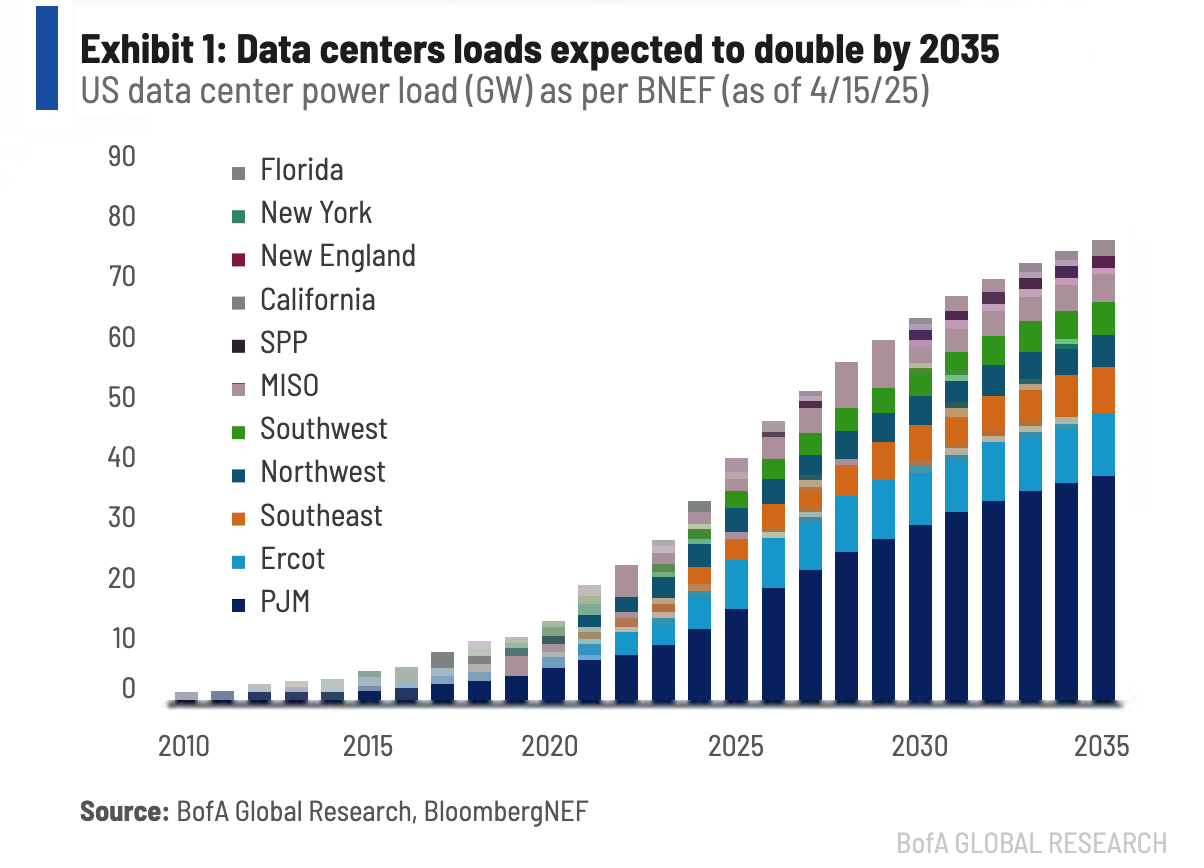
On the macroeconomic front, the fundamentals remain solid for now, while structural trends are increasingly setting the direction for the future. The rise of artificial intelligence (AI) is decisive here, with a significant impact on productivity, cost structures and growth potential. AI creates new opportunities for companies, but also shifts how capital and labour are deployed. For now, strong corporate earnings remain an important support for equity markets, with expected earnings growth for the S&P 500 of around 10–12% per year. A key driver behind this evolution is the exceptional wave of investment by the so-called “Magnificent Seven”. These companies are investing heavily in AI infrastructure such as data centres, semiconductors and software ecosystems, laying the foundation for future economic growth. We deliberately position the portfolio in companies that benefit from these capital flows.
Capex Mag7 & data-centre growth
At the same time, we remain highly selective. Not every company will benefit from this transition. That is why we focus on businesses with unique and continuously renewed data, strong customer loyalty through high switching costs, and end markets that are growing structurally thanks to AI. This approach lets us invest in the most promising players within this technological revolution.
Impact on our portfolio
The recent market correction has created attractive entry points in high-quality growth companies. We have taken advantage of this by building positions in phases in companies we are convinced will benefit strongly from the AI-driven investment cycle. For our managed portfolios, we have invested in Reddit, Credo Technology, Zeta Holdings and AppLovin:
- Reddit is developing into a unique advertising platform with valuable, user-generated data that is becoming increasingly important within AI applications.
- Credo Technology provides crucial connectivity solutions for data centres and taps into the exponential growth in AI infrastructure.
- Zeta Holdings helps companies use customer data more efficiently through advanced marketing technology.
- AppLovin offers a leading platform for mobile advertising, powered by strong AI algorithms.
These investments were financed by reducing positions that benefit less from current trends, including Adobe, as well as an ETF on the S&P 600 (small caps) and an S&P 500 Equal Weight ETF. In an environment of increased volatility, we deliberately allocate capital in phases, taking advantage of price declines. These companies have fallen on average 40% to 50% from their recent peaks.

In addition, we have increased our exposure to healthcare, a sector that combines stability with structural growth. We have further expanded our position in Zoetis, a world leader in animal health with strong margins and predictable cash flows. We have also added Harrow Health, a specialised pharmaceutical company focused on ophthalmic treatments with attractive niche growth. For a more detailed explanation of the investment cases, please feel free to contact us.
Written by
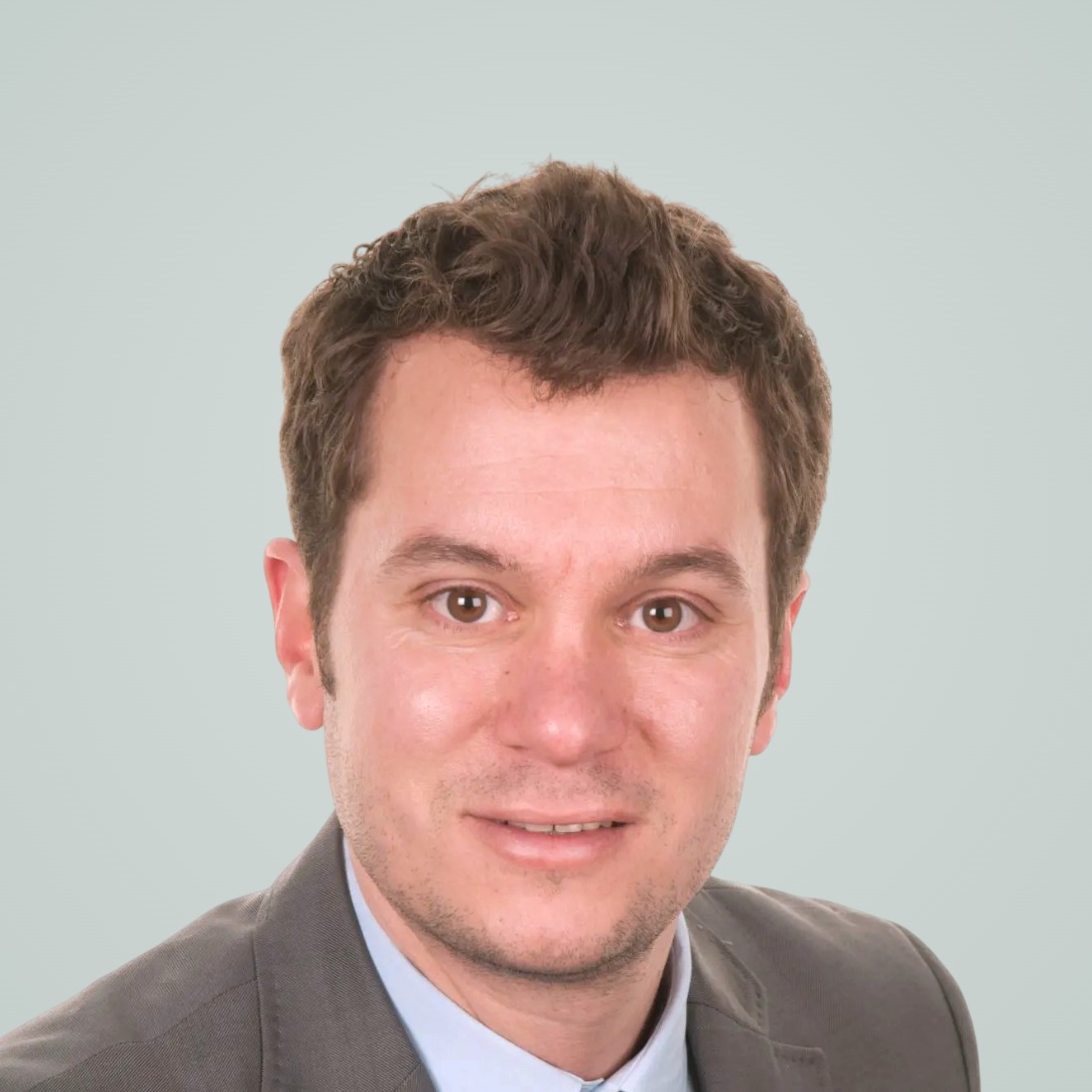
Robbie van de Wijnckel
Senior Asset Manager - Authorised Manager
Robbie manages clients' investment portfolios on both a discretionary and advisory basis, and is Lead Investment Manager behind the Andreas Capital Equity and Fixed Income strategies. Equities or bonds, it comes down to well-reasoned, disciplined decisions and to careful stewardship of what clients entrust to the firm. That is also why he oversees client asset protection at Andreas Capital, and he makes sure that everyone who informs or advises clients has the required knowledge and competence.
Robbie has worked in the investment industry since 2006, across both equity and fixed income. He began advising private clients at Fortis Bank and, from 2009, covered the European investment-grade bond market as a Fixed Income Analyst at Van Lanschot. In 2012 he moved to asset manager 2PM in Luxembourg, where he rose to Head of Portfolio Management. There he was responsible for the investment strategy, led a team of five and managed the 2PM Bond fund. He joined Andreas Capital in 2017 as a Senior Asset Manager and has been part of the Authorised Management since April 2026. Robbie holds an MSc in Economics from Tilburg University (2005) and has been a CFA charterholder since 2017.
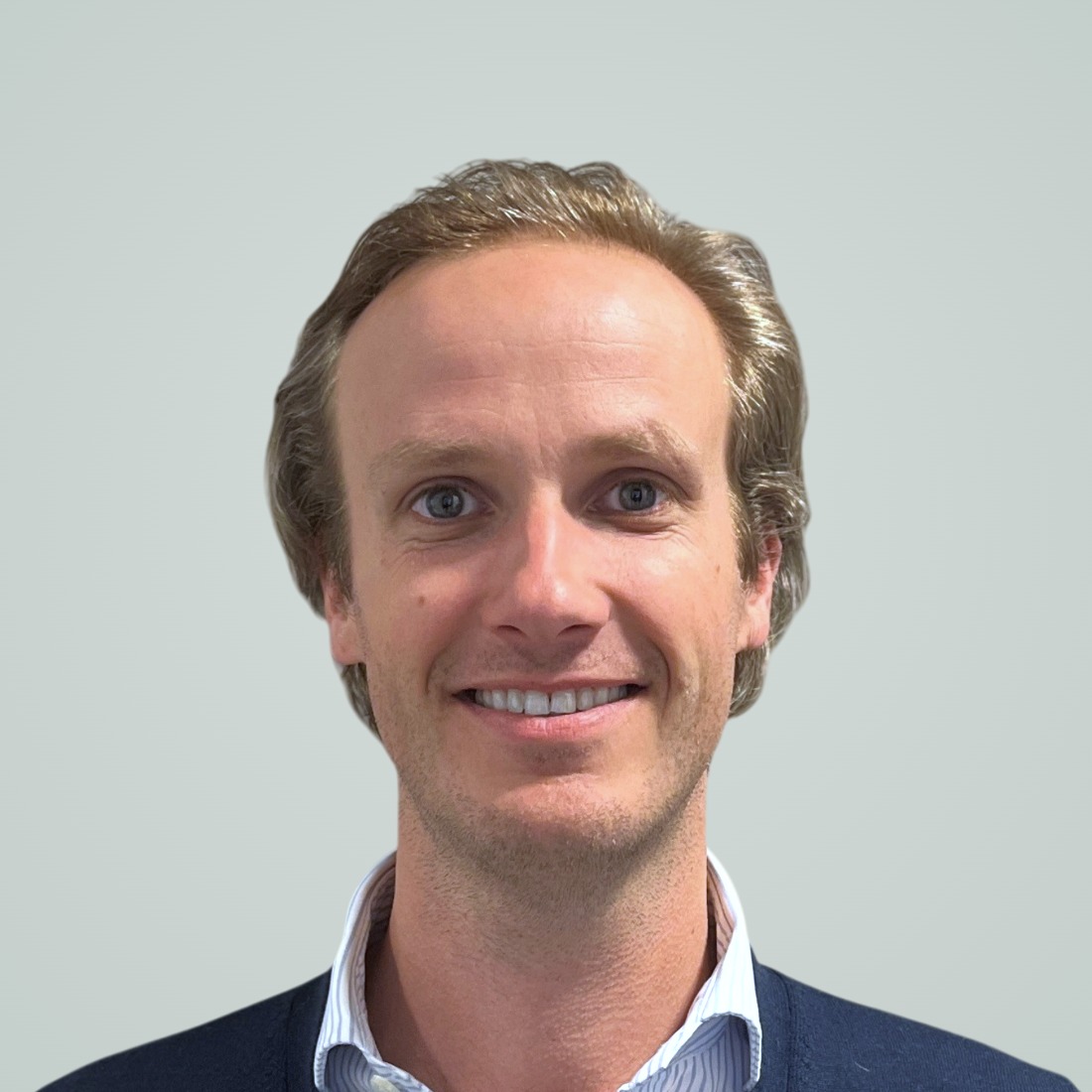
Reinier Beelaerts van Blokland
Senior Asset Manager
As Senior Asset Manager, Reinier builds and manages investment portfolios, with an emphasis on strategic asset allocation and preserving wealth over the long term. He approaches investing with an engineer's eye: as a graduate from Delft University of Technology and with a background in quantitative risk management, he wants to understand the risks and the construction first, before reaching for the opportunities.
Reinier began his career as a quantitative analyst and spent more than eight years at Swiss Life in Luxembourg, working in asset-and-liability management and in structuring and valuing hedging portfolios for variable annuities. In 2018 he moved into the world of family offices, first as Investment Manager at the single family office Group Nerisa, where he led equity research and portfolio construction. Since April 2022 he has been with Andreas Capital as Senior Asset Manager, managing portfolios on both a discretionary and advisory basis and co-managing the Andreas Capital Equity and Fixed Income strategies. He is a CFA charterholder.
 Back to News